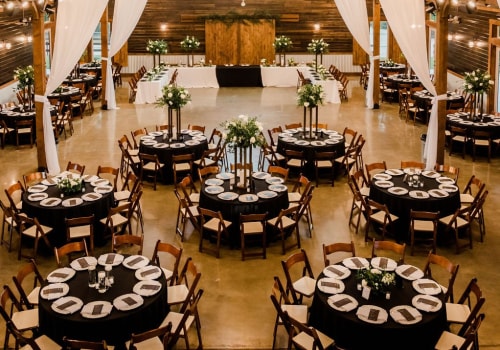
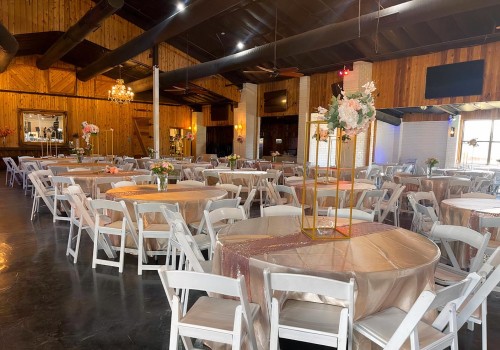
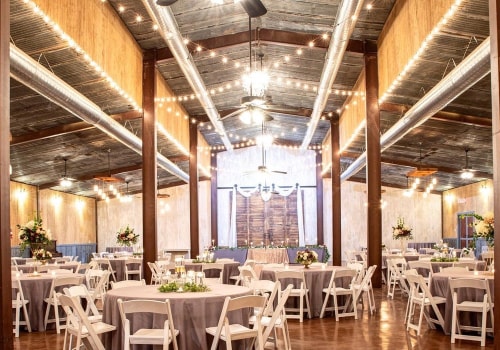
When attendees walk into a beautifully prepared event space, they often notice the decorations, lighting, seating arrangements, catering stations, and overall atmosphere. What they rarely see is the extensive logistical planning required to make everything appear effortless. Across Southeast Texas, successful event spaces rely on far more than attractive venues and quality customer service. Behind every wedding, corporate gathering, community fundraiser, trade show, banquet, or private celebration lies a network of logistical operations that help ensure the event runs smoothly from beginning to end. These behind-the-scenes efforts are often overlooked, yet they are among the most important factors contributing to a venue’s success.
Event venues must coordinate a wide variety of moving parts before guests ever arrive. Tables, chairs, audiovisual equipment, staging materials, linens, decorations, catering supplies, and specialized equipment often need to be transported, organized, stored, and installed according to precise schedules. The complexity of these tasks increases significantly when multiple events are scheduled within a short period of time. Venue managers frequently oversee tight turnaround windows that require efficient planning and flawless execution.
Scheduling and Coordination Challenges
One of the most demanding aspects of event management is scheduling. Event spaces must coordinate with caterers, decorators, entertainers, photographers, florists, rental companies, and other vendors, each operating on their own timelines. A delay involving one supplier can affect multiple stages of event preparation.
Successful venues often rely on detailed planning systems to coordinate deliveries, setup crews, and venue access. Staff members may spend weeks preparing for a single event while simultaneously managing future bookings. This level of organization helps minimize disruptions and ensures that every component arrives at the appropriate time.
In Southeast Texas, weather conditions can add another layer of complexity. Outdoor events may require contingency plans, backup equipment, or last-minute adjustments. Venues that consistently deliver successful events often do so because they have established systems capable of adapting to unexpected circumstances without compromising the guest experience.
Storage and Equipment Management
Storage management is another critical but frequently overlooked component of event operations. Many venues maintain extensive inventories of tables, chairs, linens, decorations, audio systems, staging equipment, and seasonal décor. Keeping these items organized and accessible requires careful planning and efficient use of space.
Equipment must be inspected, maintained, and stored properly to ensure it remains in excellent condition. Event staff often track inventory using detailed systems designed to reduce loss, prevent damage, and streamline setup procedures. Proper equipment management not only improves efficiency but also helps control operational costs over time.
Organizations experienced in handling logistics understand the value of careful planning and asset protection. Companies such as Mountain Movers demonstrate how transportation coordination, inventory management, and organized handling procedures can support complex operations involving valuable equipment and time-sensitive schedules. Similar principles are often applied within the event industry to ensure smooth venue operations.
Delivering a Seamless Guest Experience
The ultimate goal of logistics management is to create an experience where guests never notice the operational challenges taking place behind the scenes. When attendees arrive at an event space, they expect everything to function properly. Seating should be arranged correctly, technology should work reliably, food service should proceed smoothly, and the environment should feel welcoming and organized.
Achieving this level of consistency requires collaboration among venue staff, vendors, contractors, and event organizers. Every detail, from delivery schedules to equipment placement, contributes to the overall success of the event. The most successful venues often distinguish themselves through their ability to manage these logistical complexities without drawing attention to them.
The Foundation of Successful Event Spaces
While aesthetics and hospitality play important roles in attracting clients, logistics form the foundation of every successful event space in Southeast Texas. Efficient transportation, storage management, vendor coordination, scheduling systems, and contingency planning all contribute to the seamless experiences guests enjoy. Though largely invisible to attendees, these operational efforts are what allow events to unfold smoothly and professionally. In many ways, the hidden logistics behind the scenes are just as important as the event itself, ensuring that every gathering achieves its intended purpose while creating a memorable experience for everyone involved.